



 You are here:

-
SubmitRequirements
-
Planning and design
-
Technology development
-
Maintenance modification
-
After-sales service
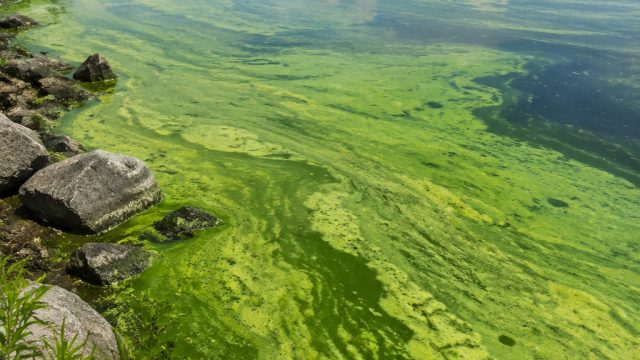
Recent reports have shed light on an alarming environmental issue: the surge in algae blooms affecting various public water bodies across the nation. This problem extends beyond aesthetic concerns; it poses serious risks to public health, wildlife, and recreational activities. As we delve into this growing crisis, it is crucial to understand its implications and the urgent need for action.
The Science Behind Algae Blooms
Algae blooms occur when nutrient levels in water bodies, particularly nitrogen and phosphorus, become excessively high. This can be triggered by agricultural runoff, wastewater discharge, and even urban stormwater. As these nutrients accumulate, harmful algal species thrive, leading to blooms that can produce toxins harmful to both humans and animals.
How Do Algal Blooms Affect Water Quality?
- Toxicity: Certain algae species can release toxins that contaminate drinking water supplies.
- Oxygen Depletion: Blooms can deplete oxygen levels in water, creating dead zones where aquatic life cannot survive.
- Recreational Risks: Algal blooms can render water unsafe for swimming, fishing, and other recreational activities.
The Public Health Implications
The impact of algae blooms is not just confined to ecosystems. Public health is at significant risk, particularly in communities that rely on nearby lakes or rivers for recreation and drinking water. Reports of illnesses related to exposure to harmful algal blooms (HABs) have increased, ranging from skin irritations to gastrointestinal issues and serious neurological effects.
Communities at Risk
Communities near affected water bodies face immediate health risks. Children, pets, and those with compromised immune systems are particularly vulnerable. Additionally, the economic toll on local recreational activities, tourism, and fishing industries can be substantial.
Government Response and Policy Changes
In light of the growing crisis, local and state governments are being pressured to take action. Recent discussions in legislative bodies emphasize the need for improved regulations regarding agricultural runoff and wastewater management. These measures are essential to mitigate the factors contributing to algae growth and to safeguard public health.
Current Policy Initiatives
- Stricter Nutrient Management Plans: States are reevaluating their nutrient management strategies to control runoff effectively.
- Public Awareness Campaigns: Educating the public on the dangers of algae blooms and how to report them is gaining traction.
- Funding for Research: Allocating funds to research the effects of HABs and potential solutions is crucial for long-term success.
Community Involvement and Action Steps
Individuals can also play a role in addressing this crisis. Simple actions, such as reducing fertilizer use, participating in local clean-up events, and advocating for policy changes, can make a difference. Engaging with local water conservation groups can help amplify community voices in demanding better management and accountability from authorities.
How to Get Involved
- Join Local Environmental Groups: Participate in initiatives that focus on water conservation.
- Advocate for Policy Change: Contact lawmakers to express support for policies addressing runoff and pollution.
- Educate Others: Share knowledge about algae blooms and their impacts with friends and family.
Conclusion
The algae bloom crisis is a pressing issue that requires immediate attention and action. As the frequency and intensity of these blooms continue to rise, understanding their causes and consequences is vital for protecting public health and preserving our natural resources. By fostering community involvement and advocating for stronger policies, we can work towards a healthier environment for all.
 Previous